Importance Of Quality Sleep In Managing Stress
Achieving Good Quality Sleep in managing stress and anxiety is vital. Even though insomnia and other sleep disturbances are common symptoms of stress and anxiety. In the same way, chronic sleep issues lead to further anxiety and stress.
Sleep Deprivation
We know long-term sleep deprivation can lead to a variety of mental health and physical health problems, including diabetes, heart disease, and obesity. But the thing most of us notice is how much it seriously reduces our coping mechanisms and stress tolerance levels.
Symptoms Of Poor Quality Sleep
Poor quality sleep and sleep deprivation can seriously affect our emotional, mental, and physical resistance; our health and well-being.
It can cause a wide range of symptoms such as
- Exhaustion and fatigue
- Irritability
- Lack of motivation
- Low mood and Depression
- long-term insomnia
- Lack of concentration and focus
- Poor memory
- Increased appetite, cravings for carbohydrates
- Difficulty learning new concepts
- Increased Anxiety
- Increased Stress Levels
That is why doing what you can to improve your sleep in managing stress, anxiety, and even health issues is vital.
Symptoms Of Good Quality Sleep
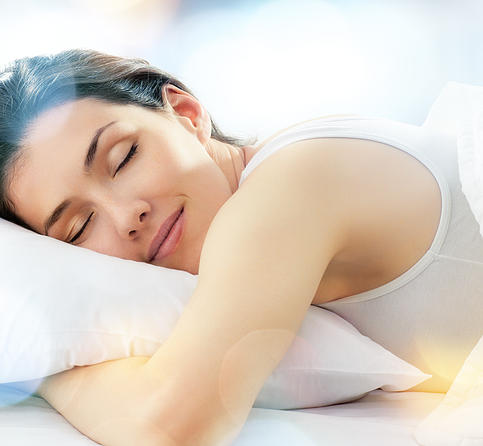
Good-quality sleep brings the body into a state of Rest, Repair, and Restoration. That is why restorative sleep in managing stress is a foundational pillar and core part of any stress program.
Deeply refreshing sleep supports the body into a natural state of homeostasis and balance. It encourages the body out of the chronic stress cycle into a state of peace, relaxation, and a deeper state of well-being. Achieving deeper quality sleep in managing stress and anxiety can help you
- Wake up feeling rested and refreshed
- Wake up with more energy and vitality
- You generally have a better mood and more motivation
- Increased concentration and focus
- Improved memory
- Less likely to overeat and have unhealthy cravings
- Stress Resilience – Manage Stress more effectively
The 3 R’S for deep REST, RESTORE, and REPAIR
RELAXATION
Learn to RELAX deeply and effectively. To achieve quality sleep, it is necessary to learn how to relax and switch off. Learn how to encourage the body from the hyper-arousal state off the stress response into the relaxed response. Make sure your bedroom and bed is a place of relaxation, a place of comfort.
ELIMINATE AND REDUCE STIMULANTS
Reduce stimulants in your environment, your mind, and your body, especially in the evening. For example, reduce exposure to electromagnetic waves and the blue ray; mobile phones, iPads, laptops, microwaves, and cables. Eliminate and reduce internal stimulants/toxins such as alcohol, aspartame, caffeine, drugs, and sugar.
ROUTINE
Create and commit to a healthy bedtime ritual each evening, one that encourages a period of unwinding for all the family at least 30 minutes before bedtime. This can include simple things like dimming lights, reducing or lowering sounds and stimulation etc. And encouraging more relaxing hobbies and activities such as listening to soft music, relaxing bath, reading, and relaxation techniques. Go to bed the same time each evening.
The Power Of Quality Sleep in Managing Stress
People often think it is how many hours of sleep you get that makes a difference, but it’s the quality of sleep in managing stress, anxiety, and even many health challenges we can suffer from.
Eileen Burns is a Stress Management Expert, healer, and therapist who teaches and provides highly powerful Anxiety, Stress, and Sleep Therapy Programs.
She has been studying stress management and holistic well-being, healing for over 30 years, and is the owner of Stress Coach Training School.

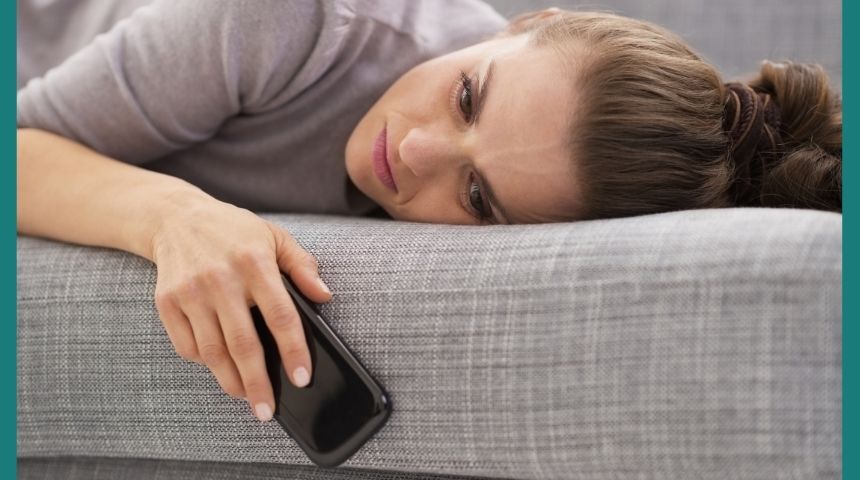
This article hit the nail about quality sleep and stress. Stress and sleep is a vicious cycle. You get stressed out, then you can’t sleep well. When you can’t sleep well, you feel stressed… again. These 3 Rs sums it up. It is simple, but works if you follow them.
Mnay insomniacs are looking for magic cure, quick fix… In fact, if you follow these 3 little-known secrets strictly, you will see significant improvement in your sleep. At the same time you kill stress.
Worth a read. Thanks for posting, Eileen.